Ottila Juliane Kron
Diagrams and Charts for Reading Comprehension Worksheets for Kindergarten
Reading comprehension worksheets are an essential tool for teaching kindergarten students how to understand what they read. They can help students with a variety of skills, including:
- Identifying the main idea of a text
- Retelling a story
- Answering questions about a text
- Making inferences
- Drawing conclusions
There are many different types of reading comprehension worksheets that you can use in your kindergarten classroom. Some popular types include:
- Story maps
- Character webs
- Sequencing charts
- Venn diagrams
- Cause-and-effect diagrams
When creating reading comprehension worksheets for kindergarten, it is important to keep the following in mind:
- Use simple language and concepts.
- Make the worksheets visually appealing.
- Provide clear instructions.
- Keep the worksheets short and focused.
By following these tips, you can create effective reading comprehension worksheets that will help your kindergarten students learn and grow.
Benefits of Using Diagrams and Charts
There are many benefits to using diagrams and charts in reading comprehension worksheets for kindergarten. These benefits include:
- Diagrams and charts can help students to visualize the information in a text.
- They can help students to organize their thoughts and ideas.
- They can help students to remember information more easily.
- They can make learning more fun and engaging.
Conclusion
Diagrams and charts are a valuable tool for teaching reading comprehension to kindergarten students. By using these tools, you can help your students to learn and grow.
Essential Aspects of Reading Comprehension Worksheets for Kindergarten
Reading comprehension worksheets are an essential tool for teaching kindergarten students how to understand what they read. They can help students with a variety of skills, including identifying the main idea of a text, retelling a story, answering questions about a text, making inferences, and drawing conclusions.
When creating reading comprehension worksheets for kindergarten, it is important to keep the following key aspects in mind:
- Simplicity: Use simple language and concepts that are easy for kindergarten students to understand.
- Visual appeal: Make the worksheets visually appealing with bright colors and engaging images.
- Clear instructions: Provide clear and concise instructions so that students know exactly what to do.
- Focus: Keep the worksheets short and focused on a single skill or concept.
- Variety: Use a variety of different types of worksheets to keep students engaged and learning.
- Assessment: Include assessment questions on the worksheets so that you can track students’ progress.
- Fun: Make the worksheets fun and engaging so that students enjoy learning.
By considering these key aspects, you can create effective reading comprehension worksheets that will help your kindergarten students learn and grow.
For example, you could create a worksheet that asks students to identify the main idea of a short story. The worksheet could include a simple story with a clear main idea. You could then ask students to circle the main idea in the story. This worksheet would help students to practice the skill of identifying the main idea of a text.
Another example of a reading comprehension worksheet for kindergarten could be a worksheet that asks students to retell a story. The worksheet could include a short story with a simple plot. You could then ask students to retell the story in their own words. This worksheet would help students to practice the skill of retelling a story.
By using a variety of different types of reading comprehension worksheets, you can help your kindergarten students to develop the skills they need to become successful readers.
Simplicity
In the context of reading comprehension worksheets for kindergarten, simplicity is of paramount importance. Young learners at this stage are still developing their language and cognitive skills, and complex language or abstract concepts can hinder their understanding.
- Using familiar words and phrases: Kindergarteners are more likely to understand and engage with worksheets that use words and phrases they are already familiar with. Avoid using technical or uncommon terms, and opt for language that is clear and accessible.
- Keeping sentences short and simple: Long, convoluted sentences can be overwhelming for kindergarten students. Break down complex ideas into shorter, simpler sentences to make the text easier to read and comprehend.
- Using concrete examples: Kindergarteners learn best through concrete experiences. Use real-life examples and illustrations to help them grasp abstract concepts and make connections to the text.
- Providing visual aids: Visual aids, such as pictures, diagrams, and charts, can help kindergarten students visualize the information in the text and enhance their understanding.
By incorporating simplicity into reading comprehension worksheets for kindergarten, educators can create materials that are accessible, engaging, and effective in promoting reading comprehension skills.
Visual appeal
In the context of reading comprehension worksheets for kindergarten, visual appeal plays a crucial role in capturing and sustaining students’ attention, enhancing their engagement, and facilitating their comprehension of the text.
Kindergarten students are naturally drawn to visually stimulating materials. By incorporating bright colors and engaging images into reading comprehension worksheets, educators can make the learning process more enjoyable and motivating. Visuals can break up the monotony of text-heavy worksheets, providing students with a more dynamic and interactive learning experience.
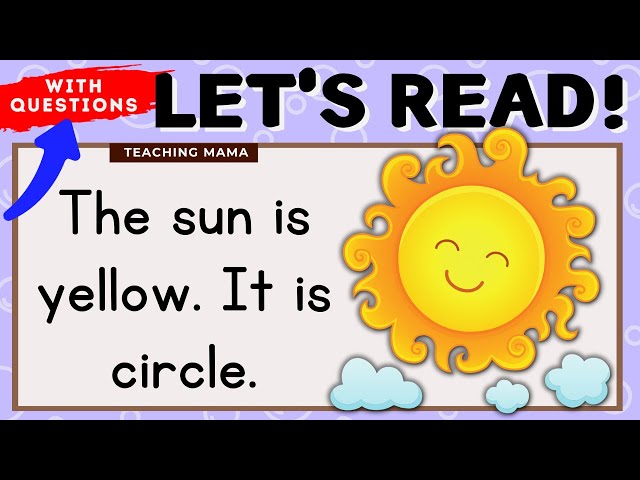
For example, a worksheet that focuses on identifying the main idea of a story can be made more visually appealing by including a colorful illustration that depicts the main event or characters of the story. This illustration can serve as a visual cue, helping students to better understand and recall the key details of the text.
Another example is a worksheet that asks students to sequence the events of a story. A visually appealing worksheet might include a series of images that represent the different events in the story. Students can then arrange the images in the correct order, helping them to develop their understanding of the story’s structure and sequence.
By incorporating visual appeal into reading comprehension worksheets for kindergarten, educators can create materials that are not only effective in promoting comprehension skills but also enjoyable and engaging for young learners.
Summary of key insights:
- Visual appeal is essential for capturing and sustaining the attention of kindergarten students.
- Bright colors and engaging images can make reading comprehension worksheets more enjoyable and motivating.
- Visuals can serve as cues, helping students to better understand and recall key details of the text.
- Incorporating visual appeal into reading comprehension worksheets can enhance students’ engagement and promote their comprehension skills.
Clear instructions
When creating reading comprehension worksheets for kindergarten, providing clear and concise instructions is essential for ensuring that students can successfully complete the activities and develop their comprehension skills. Without clear instructions, students may become confused or frustrated, which can hinder their learning progress.
- Using simple language: The instructions on reading comprehension worksheets should be written in simple, easy-to-understand language. Avoid using jargon or technical terms that kindergarten students may not be familiar with.
- Providing step-by-step instructions: When giving instructions, break down the task into smaller, manageable steps. This will make it easier for students to follow along and complete the activity successfully.
- Using visuals: Incorporating visuals, such as pictures or diagrams, into the instructions can help students to visualize the task and understand what they need to do.
- Providing examples: Providing examples of completed activities can help students to understand the expectations and what they need to do.
By providing clear and concise instructions, educators can create reading comprehension worksheets that are accessible and engaging for kindergarten students, fostering their comprehension skills and setting them up for success in their reading journey.
Focus
In the context of reading comprehension worksheets for kindergarten, maintaining focus is critical for effective learning. Short, targeted worksheets allow kindergarteners to concentrate on a single skill or concept at a time, fostering deeper understanding and preventing cognitive overload.
- Cognitive Development: Kindergarteners’ cognitive abilities are still developing, and their attention spans are limited. Short worksheets with a narrow focus align with their developmental stage, allowing them to engage fully with the task and grasp the concept thoroughly.
- Skill Mastery: By focusing on a single skill or concept, worksheets help kindergarteners develop mastery in specific areas. Repeated practice of a targeted skill strengthens neural pathways, leading to improved comprehension and fluency.
- Motivation and Engagement: Short, focused worksheets prevent students from feeling overwhelmed or discouraged. They can complete the activities successfully, which boosts their confidence and motivation to learn.
- Assessment and Feedback: Targeted worksheets facilitate effective assessment. Educators can quickly evaluate students’ understanding of a specific skill or concept, providing timely feedback to guide further instruction and support.
In conclusion, maintaining focus in reading comprehension worksheets for kindergarten is essential for maximizing learning outcomes. Short, targeted worksheets support cognitive development, promote skill mastery, enhance engagement, and facilitate effective assessment, ultimately contributing to kindergarteners’ reading comprehension success.
Variety
In the context of reading comprehension worksheets for kindergarten, variety plays a crucial role in maintaining students’ engagement and fostering their learning. By incorporating different types of worksheets, educators can cater to diverse learning styles, address multiple skills, and enhance the overall learning experience.
Kindergarteners are naturally curious and eager to explore. Providing them with a variety of worksheets keeps them motivated and prevents boredom. Different types of worksheets challenge students’ thinking in different ways, promoting holistic development.
For instance, worksheets that focus on identifying the main idea of a story can be complemented with worksheets that ask students to sequence events, make inferences, or draw conclusions. This variety ensures that students are not only practicing a single skill but also developing a well-rounded understanding of reading comprehension.
Furthermore, variety in worksheets allows educators to address individual learning needs. Some students may prefer hands-on activities, while others may excel in visual or auditory learning. By offering a range of worksheets, educators can cater to different learning styles and ensure that all students have the opportunity to succeed.
Incorporating variety into reading comprehension worksheets for kindergarten is essential for keeping students engaged, developing multiple skills, and addressing diverse learning needs. By providing a variety of worksheets, educators can create a dynamic and effective learning environment that fosters kindergarteners’ reading comprehension growth.
Assessment
Assessment is an integral component of reading comprehension worksheets for kindergarten, enabling educators to monitor students’ progress and identify areas for improvement. By incorporating assessment questions into the worksheets, educators can gather valuable insights into students’ understanding of the text and their ability to apply comprehension strategies.
Assessment questions in reading comprehension worksheets for kindergarten can take various forms, such as multiple-choice questions, short answer questions, or open-ended questions. These questions are designed to assess students’ ability to identify the main idea, retell the story, make inferences, draw conclusions, and answer questions about the text. By analyzing students’ responses to these questions, educators can determine whether students have grasped the key concepts and skills associated with reading comprehension.
Regular assessment through reading comprehension worksheets provides educators with ongoing feedback on students’ progress. This information can be used to inform instruction and provide targeted support to students who are struggling. Additionally, assessment results can be used to identify students who are excelling and may benefit from more challenging activities.
Incorporating assessment questions into reading comprehension worksheets for kindergarten is essential for effective teaching and learning. It allows educators to track students’ progress, identify areas for improvement, and provide tailored instruction to support students’ reading comprehension development.
Fun
In the context of reading comprehension worksheets for kindergarten, making the worksheets fun and engaging is essential for fostering a positive and effective learning environment. Kindergarteners are naturally curious and eager to learn, and when they enjoy the learning process, they are more likely to be motivated, engaged, and successful.
Fun and engaging reading comprehension worksheets can take many forms. Some examples include:
- Interactive worksheets: Worksheets that incorporate interactive elements, such as games, puzzles, or hands-on activities, can make learning more enjoyable and memorable for kindergarteners.
- Visual worksheets: Worksheets that use bright colors, engaging images, and clear fonts can make the learning process more visually appealing and accessible for kindergarteners.
- Storytelling worksheets: Worksheets that incorporate storytelling elements, such as characters, plots, and settings, can make reading comprehension more engaging and meaningful for kindergarteners.
When creating fun and engaging reading comprehension worksheets for kindergarten, it is important to consider the developmental needs and interests of kindergarteners. Worksheets should be age-appropriate, developmentally appropriate, and aligned with the kindergarten curriculum.
By making reading comprehension worksheets fun and engaging, educators can create a positive and effective learning environment that fosters kindergarteners’ love of learning and sets them up for success in their reading journey.
Reading comprehension worksheets for kindergarten are educational tools designed to help young learners develop their reading comprehension skills. These worksheets typically include engaging activities and exercises that focus on building foundational reading comprehension skills, such as identifying the main idea, retelling a story, answering questions about a text, making inferences, and drawing conclusions.
Reading comprehension is a crucial skill for kindergarteners as it forms the basis for future academic success. By engaging in reading comprehension activities, kindergarteners develop the ability to understand and interpret written text, which is essential for effective reading and learning across all subject areas.
Reading comprehension worksheets for kindergarten offer numerous benefits, including:
- Improved reading comprehension skills
- Enhanced vocabulary and language development
- Increased critical thinking and problem-solving abilities
- Boosted confidence and motivation to read
Incorporating reading comprehension worksheets into kindergarten instruction helps prepare young learners for success in reading and beyond. These worksheets provide a structured and engaging way to develop essential reading comprehension skills, setting a strong foundation for future academic achievement.
FAQs on Reading Comprehension Worksheets for Kindergarten
Reading comprehension worksheets are valuable tools for developing essential reading skills in kindergarten. Here are answers to some frequently asked questions about these worksheets:
Question 1: What are the benefits of using reading comprehension worksheets in kindergarten?
Answer: Reading comprehension worksheets help kindergarteners improve their reading comprehension skills, enhance vocabulary and language development, boost critical thinking and problem-solving abilities, and increase confidence and motivation to read.
Question 2: What types of activities are typically included in reading comprehension worksheets for kindergarten?
Answer: Kindergarten reading comprehension worksheets often include activities such as identifying the main idea, retelling stories, answering questions about a text, making inferences, and drawing conclusions.
Question 3: How often should kindergarteners use reading comprehension worksheets?
Answer: The frequency of using reading comprehension worksheets can vary based on individual student needs and the classroom schedule. However, it is recommended to incorporate these worksheets into kindergarten instruction regularly to support ongoing skill development.
Question 4: How can I make reading comprehension worksheets more engaging for kindergarteners?
Answer: To make reading comprehension worksheets more engaging, consider using interactive elements such as games, puzzles, or hands-on activities. Additionally, incorporating colorful visuals, age-appropriate stories, and characters can increase engagement and make learning more enjoyable.
Question 5: How can I assess students’ progress using reading comprehension worksheets?
Answer: Reading comprehension worksheets often include assessment questions that allow educators to evaluate students’ understanding of the text and their ability to apply comprehension strategies. By analyzing students’ responses, educators can identify areas for improvement and tailor instruction accordingly.
Question 6: What are some tips for creating effective reading comprehension worksheets for kindergarten?
Answer: When creating reading comprehension worksheets for kindergarten, it is important to consider the developmental needs and interests of kindergarteners. Worksheets should be age-appropriate, developmentally appropriate, and aligned with the kindergarten curriculum. Additionally, incorporating fun and engaging elements can help maintain students’ motivation and make learning more enjoyable.
Summary: Reading comprehension worksheets are essential for developing foundational reading skills in kindergarten. By incorporating these worksheets into instruction, educators can support kindergarteners in their journey toward becoming confident and successful readers.
Transition to the next article section: To further enhance reading comprehension instruction in kindergarten, consider exploring other resources and strategies that can complement reading comprehension worksheets.
Conclusion
In conclusion, reading comprehension worksheets play a vital role in developing essential reading skills in kindergarten. These worksheets provide structured and engaging activities that help kindergarteners improve their understanding of written text. By incorporating reading comprehension worksheets into instruction, educators can equip kindergarteners with the foundational skills they need to become confident and successful readers.
Reading comprehension is a complex skill that requires ongoing development. It is important to continue providing kindergarteners with opportunities to practice and refine their reading comprehension skills through a variety of activities and resources. By fostering a love of reading and a strong foundation in reading comprehension, educators can set kindergarteners on the path to lifelong learning and academic success.
Youtube Video: