Ottila Juliane Kron
Kindergarten Worksheets Alphabet Charts and Diagrams
Kindergarten worksheets alphabet charts and diagrams are visual representations of the alphabet that can be used to help children learn the letters of the alphabet, their sounds, and how to write them. These charts and diagrams can be created in a variety of ways, and there are many different examples available online.
Some common examples of kindergarten worksheets alphabet charts and diagrams include:
- Alphabet chart: This is a simple chart that lists the letters of the alphabet in order, along with their corresponding sounds.
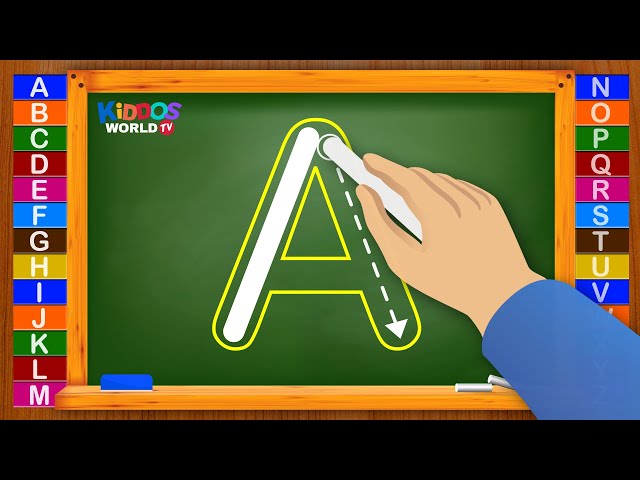
- Letter formation diagram: This type of diagram shows children how to write each letter of the alphabet, step-by-step.
- Phonics chart: This chart shows the different sounds that each letter of the alphabet can make, and how to blend these sounds together to form words.
To create a kindergarten worksheets alphabet chart or diagram, you can follow these steps:
- Choose the type of chart or diagram that you want to create.
- Gather the materials that you need, such as paper, markers, and crayons.
- Create a draft of your chart or diagram.
- Revise and edit your chart or diagram until you are satisfied with it.
- Make copies of your chart or diagram so that you can give them to your students.
Kindergarten worksheets alphabet charts and diagrams can be a valuable tool for helping children learn the alphabet. They are a visual representation of the alphabet that can help children to remember the letters, their sounds, and how to write them. These charts and diagrams can also be used to help children develop their phonics skills.
In addition to the benefits listed above, kindergarten worksheets alphabet charts and diagrams can also be used to:
- Help children develop their fine motor skills.
- Encourage children to be creative.
- Make learning the alphabet fun and engaging.
Essential Aspects of Kindergarten Worksheets Alphabet
Kindergarten worksheets alphabet are a valuable tool for helping children learn the alphabet. They can be used to teach children the letters of the alphabet, their sounds, and how to write them. These worksheets can also be used to help children develop their phonics skills and their fine motor skills.
- Letter recognition: Worksheets can help children learn to recognize the letters of the alphabet.
- Letter sounds: Worksheets can help children learn the sounds that each letter makes.
- Letter formation: Worksheets can help children learn how to write the letters of the alphabet.
- Phonics: Worksheets can help children develop their phonics skills by teaching them how to blend sounds together to form words.
- Fine motor skills: Worksheets can help children develop their fine motor skills by requiring them to trace letters and write letters.
- Creativity: Worksheets can be used to encourage children to be creative by allowing them to color letters and decorate worksheets.
These are just a few of the essential aspects of kindergarten worksheets alphabet. By using these worksheets, teachers and parents can help children learn the alphabet and develop important skills.
Letter recognition
Letter recognition is an essential skill for children to learn, as it is the foundation for reading and writing. Worksheets can be a valuable tool for helping children learn to recognize the letters of the alphabet, as they provide a structured and engaging way to practice this skill.
- Visual discrimination: Worksheets can help children develop their visual discrimination skills by requiring them to identify letters that are different from each other.
- Letter-sound correspondence: Worksheets can help children learn the letter-sound correspondence by providing them with opportunities to match letters to their corresponding sounds.
- Letter formation: Worksheets can help children learn the proper formation of letters by providing them with tracing exercises and other activities.
- Letter recognition in context: Worksheets can help children learn to recognize letters in context by providing them with activities that require them to identify letters in words and sentences.
By providing children with a variety of activities that focus on letter recognition, worksheets can help them develop this essential skill. This, in turn, will help them to become successful readers and writers.
Letter sounds
Letter sounds are an essential component of kindergarten worksheets alphabet, as they provide the foundation for children to develop their phonics skills. Phonics is the ability to decode words by sounding out the individual letters. This skill is essential for reading and writing, as it allows children to recognize words that they have never seen before.
Worksheets can help children learn letter sounds in a variety of ways. For example, some worksheets may provide children with pictures of objects that begin with a particular letter. The child can then sound out the letter and match it to the picture. Other worksheets may provide children with words that have missing letters. The child can then sound out the word and fill in the missing letter.
Learning letter sounds is an important step in the development of literacy skills. By providing children with worksheets that focus on letter sounds, teachers and parents can help children develop the skills they need to become successful readers and writers.
Letter formation
Letter formation is an essential component of kindergarten worksheets alphabet, as it provides children with the opportunity to practice writing the letters of the alphabet. This skill is important for a variety of reasons, including:
- Fine motor skills: Writing letters requires children to use their fine motor skills, which are the small muscles in their hands and fingers. Worksheets that focus on letter formation can help children develop these skills by providing them with opportunities to trace letters, write letters, and color letters.
- Hand-eye coordination: Writing letters also requires children to use their hand-eye coordination. Worksheets that focus on letter formation can help children develop this skill by providing them with opportunities to trace letters and write letters in different sizes and orientations.
- Letter recognition: Writing letters can help children to learn the letters of the alphabet and their corresponding sounds. Worksheets that focus on letter formation can help children develop this skill by providing them with opportunities to trace letters and write letters in different contexts.
By providing children with worksheets that focus on letter formation, teachers and parents can help children develop the skills they need to become successful writers.
Phonics
Phonics is an essential component of kindergarten worksheets alphabet, as it provides children with the foundation they need to become successful readers and writers. Phonics is the ability to decode words by sounding out the individual letters. This skill is essential for reading and writing, as it allows children to recognize words that they have never seen before.
- Letter-sound correspondence: Worksheets can help children learn the letter-sound correspondence by providing them with opportunities to match letters to their corresponding sounds. This is an essential skill for developing phonics skills, as it allows children to recognize the sounds that letters make in words.
- Blending sounds: Worksheets can help children develop their blending skills by providing them with opportunities to practice blending sounds together to form words. This skill is essential for reading, as it allows children to decode words that they have never seen before.
- Segmenting sounds: Worksheets can help children develop their segmentation skills by providing them with opportunities to practice breaking words down into their individual sounds. This skill is essential for writing, as it allows children to spell words correctly.
- Phonics in context: Worksheets can help children apply their phonics skills in context by providing them with opportunities to read and write words and sentences. This is an essential skill for developing literacy skills, as it allows children to use their phonics skills to understand and produce written language.
By providing children with worksheets that focus on phonics, teachers and parents can help children develop the skills they need to become successful readers and writers.
Fine motor skills
Fine motor skills are the small movements that we make with our hands and fingers. These skills are essential for everyday activities such as writing, eating, and dressing. Kindergarten worksheets alphabet can help children develop their fine motor skills by requiring them to trace letters and write letters. This is an important component of kindergarten worksheets alphabet, as it helps children to develop the skills they need to be successful in school and in life.
There are a number of ways that kindergarten worksheets alphabet can help children develop their fine motor skills. For example, tracing letters helps children to develop their hand-eye coordination and their ability to control their movements. Writing letters helps children to develop their finger strength and their ability to hold a pencil correctly. In addition, kindergarten worksheets alphabet can help children to develop their visual discrimination skills, as they learn to distinguish between different letters.
The development of fine motor skills is essential for children’s success in school and in life. By providing children with kindergarten worksheets alphabet, teachers and parents can help children to develop the skills they need to be successful.
Creativity
In the context of kindergarten worksheets alphabet, creativity is an important component that can help children develop their imagination and self-expression. By allowing children to color letters and decorate worksheets, teachers and parents can provide them with opportunities to explore their creativity and develop their artistic skills.
- Expression of individuality: Coloring letters and decorating worksheets allows children to express their individuality and create something unique. This can help them to develop their self-confidence and their sense of accomplishment.
- Development of imagination: When children are given the opportunity to be creative, they can use their imaginations to create their own worlds and stories. This can help them to develop their problem-solving skills and their ability to think outside of the box.
- Fine motor skills: Coloring letters and decorating worksheets also helps children to develop their fine motor skills. This is important for a variety of tasks, such as writing, eating, and dressing.
- Cognitive skills: Coloring letters and decorating worksheets can also help children to develop their cognitive skills. For example, they can learn about colors, shapes, and patterns.
By incorporating creativity into kindergarten worksheets alphabet, teachers and parents can help children to develop a variety of important skills. These skills will benefit them in school and in life.
Kindergarten Worksheets Alphabet
Kindergarten worksheets alphabet are educational resources designed to introduce young children to the alphabet and its corresponding letter sounds, helping them develop early literacy skills and prepare for reading and writing. These worksheets typically feature a variety of activities and exercises that engage children in interactive learning, such as letter tracing, letter recognition, phonics practice, and alphabet sequencing.
Incorporating kindergarten worksheets alphabet into early childhood education offers numerous benefits for children’s cognitive and academic development. By providing a structured and engaging approach to alphabet learning, these worksheets help children develop essential skills such as letter recognition, letter-sound association, and phonemic awareness, which are foundational for reading and spelling success.
Moreover, kindergarten worksheets alphabet foster fine motor skills through activities like letter tracing and coloring, which help strengthen hand-eye coordination and muscle control. These worksheets also provide opportunities for children to express their creativity and imagination through decorating letters and creating their own alphabet-themed artwork.
Overall, kindergarten worksheets alphabet play a crucial role in early literacy development, providing young children with a fun and interactive way to learn the alphabet, develop essential skills, and build a strong foundation for future academic success.
Frequently Asked Questions about Kindergarten Worksheets Alphabet
Kindergarten worksheets alphabet are widely used in early childhood education to introduce young children to the alphabet and its corresponding letter sounds. These worksheets provide a structured and engaging approach to alphabet learning, fostering essential skills for literacy and academic success. To address common queries and misconceptions, here are answers to frequently asked questions about kindergarten worksheets alphabet:
Question 1: What are the benefits of using kindergarten worksheets alphabet?
Kindergarten worksheets alphabet offer numerous benefits for children’s cognitive and academic development. They help children develop letter recognition, letter-sound association, and phonemic awareness, which are foundational skills for reading and spelling success. Additionally, these worksheets foster fine motor skills through activities like letter tracing and coloring, and provide opportunities for children to express their creativity and imagination.
Question 2: How can I incorporate kindergarten worksheets alphabet into my teaching?
Kindergarten worksheets alphabet can be easily incorporated into early childhood education lessons and activities. They can be used as a standalone activity or integrated into literacy centers or group work. Educators can differentiate instruction by choosing worksheets that match the learning needs of individual students, and provide support and guidance as needed.
Question 3: Are kindergarten worksheets alphabet suitable for all children?
Kindergarten worksheets alphabet are designed to be accessible and engaging for all children. They are developmentally appropriate for young learners and provide a variety of activities that cater to different learning styles and interests. Educators can adapt and modify worksheets to meet the specific needs of children with diverse learning abilities.
Question 4: How do I assess children’s progress using kindergarten worksheets alphabet?
Educators can assess children’s progress using kindergarten worksheets alphabet through ongoing observation and evaluation of their work. By observing children as they complete worksheets, educators can identify areas where they excel and areas where they need additional support. Additionally, educators can use assessment rubrics or checklists to track children’s progress over time and make data-driven decisions to inform instruction.
Question 5: What are some tips for making kindergarten worksheets alphabet more engaging?
To make kindergarten worksheets alphabet more engaging, educators can incorporate hands-on activities, such as using letter blocks or magnetic letters to represent the alphabet. They can also use colorful and visually appealing worksheets, and encourage children to use different colors and art materials to decorate and personalize their work. Additionally, educators can create a positive and supportive learning environment where children feel comfortable asking questions and exploring the alphabet in a fun and interactive way.
Question 6: How do kindergarten worksheets alphabet align with early learning standards?
Kindergarten worksheets alphabet are aligned with early learning standards and curriculum guidelines. They address key concepts and skills outlined in these standards, such as letter recognition, phonemic awareness, and fine motor development. By incorporating kindergarten worksheets alphabet into their teaching, educators can help children meet and exceed early learning expectations and prepare them for future academic success.
Summary: Kindergarten worksheets alphabet play a crucial role in early literacy development, providing young children with a fun and engaging way to learn the alphabet, develop essential skills, and build a strong foundation for future academic success. By incorporating these worksheets into their teaching and addressing common questions and concerns, educators can effectively support children’s learning and empower them to become successful readers and writers.
Transition to the next article section: To further explore the topic of kindergarten worksheets alphabet, let’s examine specific activities and strategies that can be used to enhance children’s learning experiences.
Conclusion
In conclusion, kindergarten worksheets alphabet are indispensable educational tools for fostering early literacy skills and preparing young children for academic success. Through engaging and interactive activities, these worksheets introduce children to the alphabet, develop their letter recognition, letter-sound association, and phonemic awareness, which are foundational for reading and spelling. Additionally, they promote fine motor skills, creativity, and imagination.
As educators and parents, it is our responsibility to provide children with the resources and support they need to thrive in their learning journey. By incorporating kindergarten worksheets alphabet into our teaching and parenting practices, we can empower children to become confident and successful readers and writers. The benefits of these worksheets extend beyond the classroom, laying the groundwork for lifelong literacy and academic achievement.
Youtube Video: