Ottila Juliane Kron
Charts and Diagrams for Comprehension for Kindergarten Worksheets
Charts and diagrams are valuable tools for teaching comprehension to kindergarten students. They can help students visualize concepts, make connections between ideas, and develop their critical thinking skills. There are many different types of charts and diagrams that can be used for this purpose, and the best type will vary depending on the specific skill or concept that is being taught.
Here are a few examples of charts and diagrams that can be used to teach comprehension to kindergarten students:
- Story maps: Story maps are a great way to help students visualize the structure of a story. They can be used to identify the main events, characters, and setting of a story, and to track the sequence of events.
- Venn diagrams: Venn diagrams can be used to compare and contrast two different concepts or ideas. They can help students identify the similarities and differences between two things, and to develop their critical thinking skills.
- Flowcharts: Flowcharts can be used to show the steps in a process or procedure. They can help students understand the sequence of events in a story, or the steps involved in solving a problem.
When creating charts and diagrams for kindergarten students, it is important to keep the following guidelines in mind:
- Use simple language and visuals that are easy for students to understand.
- Make sure the chart or diagram is clear and concise.
- Use color and other visual elements to make the chart or diagram more engaging.
- Provide opportunities for students to interact with the chart or diagram.
Charts and diagrams can be a valuable tool for teaching comprehension to kindergarten students. By using these tools, teachers can help students visualize concepts, make connections between ideas, and develop their critical thinking skills.
In conclusion, charts and diagrams are versatile tools that can be used to teach a variety of comprehension skills to kindergarten students. By using these tools, teachers can help students develop their understanding of stories, concepts, and processes.
Essential Aspects of Comprehension for Kindergarten Worksheets
Comprehension is a key skill for kindergarten students to develop. It allows them to understand and make sense of the world around them. Comprehension worksheets can help kindergarten students practice and develop this skill. There are many different types of comprehension worksheets that can be used, and the best type will vary depending on the individual student and the skills they need to practice.
- Phonemic awareness: The ability to hear and manipulate individual sounds in words.
- Phonics: The relationship between letters and sounds.
- Vocabulary: The knowledge of words and their meanings.
- Fluency: The ability to read smoothly and accurately.
- Comprehension: The ability to understand what is read.
- Critical thinking: The ability to think critically about what is read.
- Problem solving: The ability to solve problems that are encountered while reading.
- Making connections: The ability to connect what is read to prior knowledge and experiences.
These are just a few of the key aspects of comprehension that can be addressed with kindergarten worksheets. By using a variety of worksheets, teachers can help kindergarten students develop the skills they need to become successful readers.
For example, a phonemic awareness worksheet might ask students to identify the beginning sound in a word, or to blend sounds together to form a word. A phonics worksheet might ask students to match letters to sounds, or to segment words into individual sounds. A vocabulary worksheet might ask students to define words, or to use words in a sentence. A fluency worksheet might ask students to read a passage aloud, or to read a passage and answer questions about it. A comprehension worksheet might ask students to answer questions about a story, or to make predictions about what will happen next. A critical thinking worksheet might ask students to evaluate the author’s purpose, or to identify the main idea of a passage. A problem solving worksheet might ask students to solve a problem that is encountered while reading. A making connections worksheet might ask students to connect what is read to prior knowledge and experiences.
By using a variety of comprehension worksheets, teachers can help kindergarten students develop the skills they need to become successful readers.
Phonemic awareness
Phonemic awareness is the ability to hear and manipulate individual sounds in words. It is a key skill for kindergarten students to develop, as it is the foundation for learning to read and write. Phonemic awareness worksheets can help kindergarten students practice and develop this skill.
Phonemic awareness worksheets can help kindergarten students develop the following skills:
- Identifying the beginning sound in a word
- Identifying the ending sound in a word
- Blending sounds together to form a word
- Segmenting words into individual sounds
These skills are essential for learning to read and write. By practicing these skills, kindergarten students can develop the phonemic awareness skills they need to become successful readers and writers.
Here are some examples of phonemic awareness worksheets that can be used in kindergarten:
- Beginning sound worksheets: These worksheets ask students to identify the beginning sound in a word. Students can circle the letter that represents the beginning sound, or they can write the letter in a box.
- Ending sound worksheets: These worksheets ask students to identify the ending sound in a word. Students can circle the letter that represents the ending sound, or they can write the letter in a box.
- Blending sound worksheets: These worksheets ask students to blend sounds together to form a word. Students can look at a picture and say the sounds that they see. Then, they can blend the sounds together to form the word.
- Segmenting sound worksheets: These worksheets ask students to segment words into individual sounds. Students can say a word slowly and listen for the individual sounds. Then, they can write the sounds in a box.
Phonemic awareness worksheets are a valuable tool for teaching kindergarten students the skills they need to learn to read and write. By using these worksheets, teachers can help kindergarten students develop the phonemic awareness skills they need to be successful.
Phonics
Phonics is the relationship between letters and sounds. It is a key component of comprehension for kindergarten worksheets, as it helps students to decode words and understand what they are reading. Without a strong foundation in phonics, students will struggle to comprehend what they are reading, and they may become discouraged from reading altogether.
There are many different ways to teach phonics to kindergarten students. One common method is to use phonics worksheets. These worksheets can help students to practice identifying letter sounds, blending sounds together to form words, and segmenting words into individual sounds. Phonics worksheets can also help students to learn sight words, which are words that cannot be sounded out using phonics rules.
In addition to phonics worksheets, there are many other ways to teach phonics to kindergarten students. These include:
- Sing phonics songs
- Play phonics games
- Read phonics books
- Talk about phonics concepts during everyday activities
By incorporating phonics instruction into their kindergarten classrooms, teachers can help students to develop the skills they need to become successful readers.
Here are some real-life examples of how phonics is used in kindergarten worksheets:
- A worksheet might ask students to circle the letter that makes the /b/ sound in the word “ball.”
- A worksheet might ask students to blend the sounds /c/ /a/ /t/ to form the word “cat.”
- A worksheet might ask students to segment the word “dog” into its individual sounds.
These are just a few examples of how phonics is used in kindergarten worksheets. By using a variety of phonics worksheets and activities, teachers can help kindergarten students to develop the skills they need to become successful readers.
Vocabulary
Vocabulary is the knowledge of words and their meanings. It is a key component of comprehension for kindergarten worksheets, as it helps students to understand the words they are reading and to make sense of the text. Without a strong vocabulary, students will struggle to comprehend what they are reading, and they may become discouraged from reading altogether.
There are many different ways to teach vocabulary to kindergarten students. One common method is to use vocabulary worksheets. These worksheets can help students to learn new words, practice using new words in context, and develop their overall vocabulary skills.
In addition to vocabulary worksheets, there are many other ways to teach vocabulary to kindergarten students. These include:
- Read aloud to students
- Talk to students about new words
- Play word games
- Sing songs that teach new vocabulary words
- Use visual aids to help students learn new words
By incorporating vocabulary instruction into their kindergarten classrooms, teachers can help students to develop the skills they need to become successful readers.
Here are some real-life examples of how vocabulary is used in kindergarten worksheets:
- A worksheet might ask students to match words to their definitions.
- A worksheet might ask students to fill in the blanks in a sentence with the correct word.
- A worksheet might ask students to write a story using new vocabulary words.
These are just a few examples of how vocabulary is used in kindergarten worksheets. By using a variety of vocabulary worksheets and activities, teachers can help kindergarten students to develop the skills they need to become successful readers.
Vocabulary is essential for comprehension. By teaching kindergarten students new words and helping them to develop their vocabulary skills, teachers can help them to become more successful readers.
Fluency
Fluency is the ability to read smoothly and accurately. It is a key component of comprehension for kindergarten worksheets, as it helps students to read text quickly and easily, which in turn helps them to understand what they are reading. Without fluency, students may struggle to decode words and understand the meaning of the text. This can lead to frustration and a lack of motivation to read.
There are many different ways to teach fluency to kindergarten students. One common method is to use fluency worksheets. These worksheets can help students to practice reading text quickly and accurately. Additionally, fluency can be taught through repeated reading, choral reading, and partner reading.
Here are some real-life examples of how fluency is used in kindergarten worksheets:
- A worksheet might ask students to read a passage aloud and then answer questions about the passage.
- A worksheet might ask students to read a passage and then identify the main idea of the passage.
- A worksheet might ask students to read a passage and then write a summary of the passage.
These are just a few examples of how fluency is used in kindergarten worksheets. By using a variety of fluency worksheets and activities, teachers can help kindergarten students to develop the skills they need to become successful readers.
Fluency is an essential component of comprehension. By teaching kindergarten students how to read smoothly and accurately, teachers can help them to become more successful readers.
Comprehension
Comprehension is the ability to understand what is read. It is a complex skill that involves a number of different cognitive processes, including decoding, fluency, vocabulary, and background knowledge. Comprehension is essential for learning, as it allows students to make meaning of the text they read and to apply it to their own lives.
- Decoding: Decoding is the ability to translate written words into sounds. It is a foundational skill for comprehension, as it allows students to access the meaning of the text. Kindergarten worksheets can help students to develop their decoding skills by providing them with practice in sounding out words and blending sounds together.
- Fluency: Fluency is the ability to read smoothly and accurately. It is important for comprehension, as it allows students to read text quickly and easily, which in turn helps them to understand what they are reading. Kindergarten worksheets can help students to develop their fluency skills by providing them with practice in reading text aloud.
- Vocabulary: Vocabulary is the knowledge of words and their meanings. It is essential for comprehension, as it allows students to understand the words they are reading and to make sense of the text. Kindergarten worksheets can help students to develop their vocabulary skills by introducing them to new words and providing them with practice in using new words in context.
- Background knowledge: Background knowledge is the knowledge that students bring to a text. It can help students to understand the text by providing them with a context for the information they are reading. Kindergarten worksheets can help students to develop their background knowledge by providing them with information about different topics.
Comprehension is a complex skill that involves a number of different cognitive processes. By using comprehension worksheets, kindergarten teachers can help students to develop the skills they need to become successful readers.
Critical thinking
Critical thinking is the ability to think critically about what is read. It is a complex skill that involves a number of different cognitive processes, including analysis, synthesis, evaluation, and application. Critical thinking is essential for comprehension, as it allows students to make meaning of the text they read and to apply it to their own lives.
- Analysis: Analysis is the ability to break down information into its component parts. It is an important skill for critical thinking, as it allows students to understand the structure of the text and to identify the key points.
- Synthesis: Synthesis is the ability to combine information from different sources to create new knowledge. It is an important skill for critical thinking, as it allows students to make connections between different pieces of information and to develop a deeper understanding of the topic.
- Evaluation: Evaluation is the ability to judge the quality of information. It is an important skill for critical thinking, as it allows students to determine the credibility of the information they are reading and to make informed decisions about what they believe.
- Application: Application is the ability to apply information to new situations. It is an important skill for critical thinking, as it allows students to use the information they have learned to solve problems and make decisions.
Critical thinking is a complex skill that involves a number of different cognitive processes. By using comprehension worksheets, kindergarten teachers can help students to develop the skills they need to become critical thinkers.
Problem solving
Problem solving is the ability to solve problems that are encountered while reading. It is a key component of comprehension for kindergarten worksheets, as it allows students to overcome obstacles and continue reading. Without problem-solving skills, students may become frustrated and give up on reading altogether.
There are many different types of problems that students may encounter while reading. These problems can include unfamiliar vocabulary, complex sentence structures, or confusing plot lines. Students need to be able to identify these problems and develop strategies for solving them.
- For example, if a student encounters an unfamiliar word, they may need to use context clues to figure out the meaning of the word. Or, if a student encounters a complex sentence structure, they may need to break the sentence down into smaller parts.
Problem-solving skills are essential for comprehension. By teaching kindergarten students how to solve problems, teachers can help them to become more successful readers.
Here are some real-life examples of how problem solving is used in kindergarten worksheets:
- A worksheet might ask students to read a passage and then answer questions about the passage. Some of the questions may require students to solve problems, such as identifying the main idea of the passage or drawing conclusions about the characters.
- A worksheet might ask students to read a story and then write a different ending. This requires students to use their problem-solving skills to come up with a new ending that is logical and consistent with the story.
- A worksheet might ask students to create a comic strip based on a story they have read. This requires students to use their problem-solving skills to plan out the comic strip and to create a logical sequence of events.
These are just a few examples of how problem solving is used in kindergarten worksheets. By using a variety of problem-solving worksheets and activities, teachers can help kindergarten students to develop the skills they need to become successful readers.
Making connections
Making connections is a key component of comprehension, as it allows students to relate new information to what they already know. This helps them to understand and remember the new information, and to apply it to their own lives.
- Real-life examples: When students are able to connect what they are reading to their own experiences, they are more likely to understand and remember the information. For example, if a student is reading a story about a child who is going to school for the first time, the student may be able to connect this to their own experience of starting school. This connection will help the student to understand the story better and to remember the details of the story.
- Implications for comprehension worksheets: Comprehension worksheets can be used to help students make connections between what they are reading and their own experiences. For example, a worksheet might ask students to draw a picture of a time when they felt the same way as a character in a story. Or, a worksheet might ask students to write a short story about a time when they experienced something similar to what happened in a story.
Making connections is an essential part of comprehension. By helping kindergarten students to make connections between what they are reading and their own experiences, teachers can help them to become more successful readers.
Comprehension for kindergarten worksheets entails the development of essential reading skills that empower young learners to understand and interpret written text. These worksheets provide a structured approach to enhance children’s ability to grasp the meaning of words, sentences, and stories, laying the foundation for successful reading comprehension in the future.
Comprehension worksheets for kindergarteners offer numerous benefits, including improved vocabulary, enhanced critical thinking skills, and increased engagement with reading materials. By actively engaging with these worksheets, children learn to identify key details, make inferences, and draw connections between different pieces of information, fostering their overall cognitive development.
The topics covered in comprehension for kindergarten worksheets encompass various aspects of reading comprehension, such as identifying the main idea, sequencing events, recognizing cause-and-effect relationships, and making predictions. Through interactive exercises and engaging activities, these worksheets make learning enjoyable and accessible, ensuring that kindergarteners develop a strong foundation in reading comprehension skills.
FAQs About Comprehension for Kindergarten Worksheets
Many educators and parents have questions about comprehension for kindergarten worksheets. Here are some of the most frequently asked questions and their answers:
Question 1: What are comprehension for kindergarten worksheets?
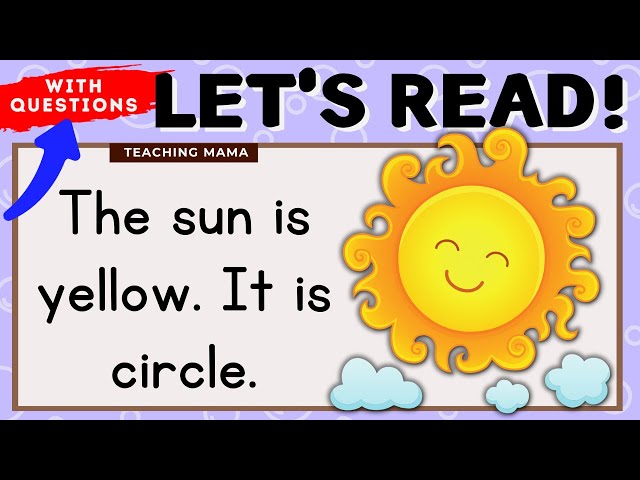
Comprehension for kindergarten worksheets are educational resources designed to help kindergarten students develop their reading comprehension skills. These worksheets provide practice with identifying the main idea, sequencing events, recognizing cause-and-effect relationships, and making predictions.
Question 2: What are the benefits of using comprehension worksheets for kindergarteners?
There are many benefits to using comprehension worksheets for kindergarteners, including improved vocabulary, enhanced critical thinking skills, and increased engagement with reading materials. These worksheets help children learn to identify key details, make inferences, and draw connections between different pieces of information, fostering their overall cognitive development.
Question 3: What topics are covered in comprehension worksheets for kindergarten?
The topics covered in comprehension worksheets for kindergarten encompass various aspects of reading comprehension, such as identifying the main idea, sequencing events, recognizing cause-and-effect relationships, and making predictions. These worksheets provide practice with different types of texts, including stories, poems, and informational texts.
Question 4: How can I use comprehension worksheets in my kindergarten classroom?
There are many ways to use comprehension worksheets in your kindergarten classroom. You can use them as a whole-group activity, during small-group instruction, or as independent practice. You can also use them as an assessment tool to track students’ progress.
Question 5: Where can I find comprehension worksheets for kindergarten?
There are many places where you can find comprehension worksheets for kindergarten. You can find them online, in teacher supply stores, and in some libraries. You can also create your own comprehension worksheets using a variety of resources.
Question 6: What are some tips for using comprehension worksheets with kindergarteners?
Here are some tips for using comprehension worksheets with kindergarteners:
- Start with simple worksheets that focus on one skill at a time.
- Read the worksheet aloud to students before they begin working on it.
- Encourage students to discuss their answers with you and their classmates.
- Use comprehension worksheets as a way to assess students’ progress.
Comprehension worksheets can be a valuable tool for helping kindergarten students develop their reading comprehension skills. By using these worksheets regularly, you can help your students become more confident and successful readers.
In conclusion, comprehension worksheets are an effective way to improve kindergarteners’ reading comprehension skills. Educators and parents can utilize these resources to enhance vocabulary, critical thinking, and engagement with reading materials.
For further information, you may refer to these articles:
Conclusion
In summary, comprehension for kindergarten worksheets plays a pivotal role in fostering young learners’ reading comprehension skills. These worksheets provide a structured and engaging approach to developing essential reading comprehension abilities, such as identifying the main idea, making inferences, and drawing connections.
As kindergarteners navigate the world of reading, comprehension worksheets serve as valuable tools that lay the groundwork for future academic success. By incorporating comprehension worksheets into the kindergarten curriculum, educators and parents can empower young learners to become confident and proficient readers, equipped with the skills to unlock the world of written language.
Youtube Video: