Ottila Juliane Kron
Math Addition Worksheet Charts and Diagrams
Math addition worksheet charts and diagrams are visual representations of mathematical concepts that can help students learn and practice addition skills. These charts and diagrams can be used to teach a variety of addition concepts, such as counting on, using number lines, and regrouping.
There are many different types of math addition worksheet charts and diagrams that can be used in the classroom. Some common examples include:
- Number lines: Number lines can be used to teach students how to count on and add numbers. To create a number line, simply draw a line and mark off the numbers from 0 to 10 or 0 to 20. Students can then use the number line to add numbers by counting on from the first number to the second number.
- Ten frames: Ten frames are a great way to teach students how to add numbers up to 10. To create a ten frame, simply draw a rectangle and divide it into 10 small squares. Students can then use the ten frame to add numbers by placing counters in the squares.
- Addition tables: Addition tables are a helpful way for students to practice their addition facts. To create an addition table, simply list the numbers from 0 to 10 in the top row and side column. Students can then fill in the table by adding the numbers in each row and column.
Math addition worksheet charts and diagrams can be a valuable tool for teaching and practicing addition skills. These charts and diagrams can help students visualize mathematical concepts and make learning more fun and engaging.
In addition to the benefits listed above, math addition worksheet charts and diagrams can also help students:
- Improve their number sense
- Develop their problem-solving skills
- Increase their confidence in math
If you are looking for ways to make learning addition more fun and engaging for your students, consider using math addition worksheet charts and diagrams.
Essential Aspects of Math Addition Worksheets
Math addition worksheets are an essential tool for teaching and practicing addition skills. They can be used to teach a variety of addition concepts, such as counting on, using number lines, and regrouping. Math addition worksheets can also help students develop their problem-solving skills and improve their number sense.
- Concept: Math addition worksheets can be used to teach a variety of addition concepts, such as counting on, using number lines, and regrouping.
- Skills: Math addition worksheets can help students develop their problem-solving skills and improve their number sense.
- Practice: Math addition worksheets provide students with an opportunity to practice their addition skills.
- Assessment: Math addition worksheets can be used to assess students’ understanding of addition concepts and skills.
- Differentiation: Math addition worksheets can be differentiated to meet the needs of all learners.
- Engagement: Math addition worksheets can be made engaging and fun for students.
- Technology: Math addition worksheets can be used in conjunction with technology to enhance learning.
These are just a few of the essential aspects of math addition worksheets. By understanding these aspects, teachers can use math addition worksheets effectively to help students learn and practice addition skills.
Concept
Math addition worksheets are a versatile tool that can be used to teach a variety of addition concepts. These concepts include:
- Counting on: Math addition worksheets can be used to teach students how to count on to add numbers. For example, a worksheet might have a problem like “There are 3 birds on a branch. 2 more birds fly in. How many birds are there now?” Students can solve this problem by counting on from 3 to 5.
- Using number lines: Math addition worksheets can be used to teach students how to use number lines to add numbers. For example, a worksheet might have a problem like “There are 3 birds on a branch. 2 more birds fly in. How many birds are there now?” Students can solve this problem by drawing a number line and starting at 3. They can then count on 2 to find the answer.
- Regrouping: Math addition worksheets can be used to teach students how to regroup when adding numbers. For example, a worksheet might have a problem like “There are 9 birds on a branch. 4 more birds fly in. How many birds are there now?” Students can solve this problem by regrouping the 9 birds into 1 ten and 9 ones. They can then add the 4 ones to the 9 ones to get 13 ones. They can then regroup the 13 ones into 1 ten and 3 ones. The final answer is 13 birds.
By using math addition worksheets, teachers can help students learn and practice a variety of addition concepts. These worksheets can be differentiated to meet the needs of all learners and can be used in a variety of settings.
Skills
Math addition worksheets are not just about practicing addition facts. They can also help students develop important problem-solving skills and improve their number sense. Here are a few ways that math addition worksheets can help students develop these skills:
- Problem-solving: Math addition worksheets often require students to solve problems in order to find the answer. For example, a worksheet might have a problem like “There are 3 birds on a branch. 2 more birds fly in. How many birds are there now?” Students need to use their problem-solving skills to figure out how to solve this problem. They might use a variety of strategies, such as counting on, using a number line, or drawing a picture.
- Number sense: Math addition worksheets can help students develop their number sense. Number sense is the ability to understand numbers and how they work. It includes understanding the magnitude of numbers, the relationship between numbers, and the different ways that numbers can be represented. Math addition worksheets can help students develop their number sense by providing them with practice working with numbers and seeing how numbers can be combined in different ways.
By using math addition worksheets, teachers can help students develop important problem-solving skills and improve their number sense. These worksheets can be differentiated to meet the needs of all learners and can be used in a variety of settings.
Practice
Practice is essential for learning any new skill, and math addition is no exception. Math addition worksheets provide students with an opportunity to practice their addition skills in a structured and supportive environment. By working through addition problems on a worksheet, students can reinforce their understanding of addition concepts and develop their fluency in adding numbers.
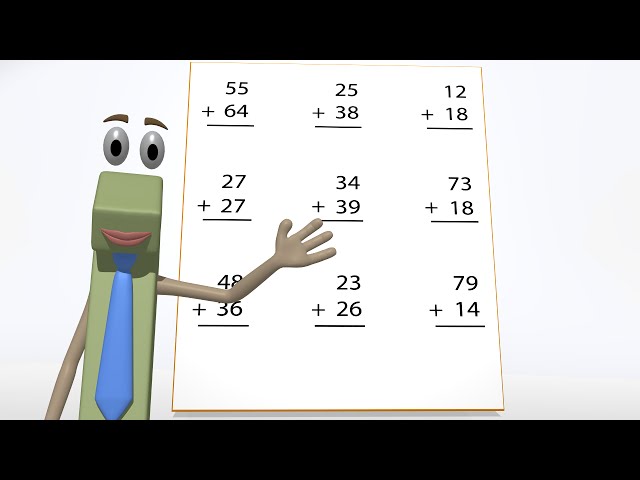
For example, a student who is learning to add two-digit numbers might complete a worksheet with problems like “12 + 13” and “24 + 35.” By working through these problems, the student can practice the steps involved in adding two-digit numbers, such as regrouping tens and ones. With repeated practice, the student will become more fluent in adding two-digit numbers and will be able to solve addition problems more quickly and accurately.
Math addition worksheets are a valuable tool for helping students learn and practice addition skills. By providing students with an opportunity to practice addition problems in a structured and supportive environment, math addition worksheets can help students develop their fluency in adding numbers and improve their overall math skills.
Assessment
Math addition worksheets are not just for practice. They can also be used to assess students’ understanding of addition concepts and skills. By carefully designing addition worksheets, teachers can assess students’ ability to:
- Add single-digit numbers: Math addition worksheets can be used to assess students’ ability to add single-digit numbers. For example, a worksheet might have a problem like “1 + 2.” Students who can add single-digit numbers will be able to solve this problem quickly and easily.
- Add multiple-digit numbers: Math addition worksheets can also be used to assess students’ ability to add multiple-digit numbers. For example, a worksheet might have a problem like “12 + 34.” Students who can add multiple-digit numbers will be able to solve this problem correctly.
- Apply addition concepts to solve problems: Math addition worksheets can also be used to assess students’ ability to apply addition concepts to solve problems. For example, a worksheet might have a problem like “There are 3 birds on a branch. 2 more birds fly in. How many birds are there now?” Students who can apply addition concepts to solve problems will be able to solve this problem correctly.
By using math addition worksheets to assess students’ understanding of addition concepts and skills, teachers can identify areas where students need additional support. This information can then be used to plan targeted instruction that will help students improve their addition skills.
Differentiation
Differentiation is the process of tailoring instruction to meet the individual needs of students. This means that math addition worksheets can be differentiated to meet the needs of all learners, regardless of their ability level or learning style.
- Level of difficulty: Math addition worksheets can be differentiated by level of difficulty. For example, a worksheet for struggling students might have problems with smaller numbers, while a worksheet for advanced students might have problems with larger numbers or more complex addition concepts.
- Type of problems: Math addition worksheets can also be differentiated by the type of problems. For example, a worksheet might have problems that focus on basic addition facts, while another worksheet might have problems that require students to apply addition concepts to solve problems.
- Format: Math addition worksheets can also be differentiated by format. For example, a worksheet might be in a traditional worksheet format, or it might be in a game format or an interactive online format.
- Support: Math addition worksheets can also be differentiated by the amount of support that they provide. For example, a worksheet for struggling students might include more scaffolding, such as number lines or visual aids, while a worksheet for advanced students might provide less scaffolding.
By differentiating math addition worksheets, teachers can ensure that all students are challenged and supported in their learning. This can help all students to succeed in math.
Engagement
Math addition worksheets don’t have to be boring! By incorporating engaging and fun elements, teachers can make learning addition more enjoyable and effective for students. Here are a few ways to make math addition worksheets more engaging:
- Use colorful and visually appealing designs: Worksheets with bright colors, fun fonts, and interesting graphics are more likely to capture students’ attention and make them want to learn.
- Incorporate games and puzzles: Worksheets that include games and puzzles, such as crosswords, word searches, and mazes, can make learning addition more fun and challenging.
- Provide opportunities for students to be creative: Worksheets that allow students to draw, color, or create their own addition problems can help them to engage with the material in a more personal way.
- Make worksheets relevant to students’ lives: Worksheets that connect addition to real-life situations, such as shopping, cooking, or playing games, can help students to see the practical applications of addition and make it more meaningful.
By incorporating these elements into math addition worksheets, teachers can help to make learning addition more engaging and fun for students. This can lead to increased motivation, improved understanding, and better overall math skills.
Technology
Technology can be a powerful tool for enhancing learning, and math addition worksheets are no exception. By using technology in conjunction with math addition worksheets, teachers can make learning more engaging, interactive, and effective.
- Interactive whiteboards: Interactive whiteboards can be used to display math addition worksheets and allow students to solve problems together. This can be a great way to encourage collaboration and discussion, and it can also help students to visualize the math concepts being taught.
- Math apps: There are a variety of math apps that can be used to supplement math addition worksheets. These apps can provide students with additional practice with addition problems, and they can also make learning more fun and engaging.
- Online games: There are also a number of online games that can be used to teach and practice addition. These games can be a great way to motivate students and make learning more enjoyable.
- Virtual manipulatives: Virtual manipulatives are digital representations of physical math manipulatives, such as blocks, counters, and number lines. These manipulatives can be used to help students visualize math concepts and solve problems.
By using technology in conjunction with math addition worksheets, teachers can create a more engaging and effective learning environment for their students.
A math addition worksheet is an educational tool designed to provide practice and reinforce addition skills in students. It typically consists of a series of addition problems, presented in a structured format, that students are required to solve.
Math addition worksheets play a crucial role in the development of mathematical abilities. By engaging with these worksheets, students strengthen their understanding of addition concepts, improve their computational fluency, and build a solid foundation for more complex mathematical operations.
The use of math addition worksheets has a rich history in education, dating back to the early days of formal schooling. Over time, these worksheets have evolved to incorporate diverse approaches and methodologies, reflecting the changing pedagogical landscape and advancements in educational research.
Frequently Asked Questions about Math Addition Worksheets
Math addition worksheets are a common tool used in schools to help students practice and improve their addition skills. However, there are many questions that parents and students may have about these worksheets.
Question 1: What is the purpose of math addition worksheets?
Answer: Math addition worksheets provide students with practice solving addition problems. This practice helps students improve their computational fluency and develop a strong foundation for more complex mathematical operations.
Question 2: How often should students use math addition worksheets?
Answer: The frequency with which students should use math addition worksheets will vary depending on their individual needs and skill level. However, it is generally recommended that students practice addition regularly, and math addition worksheets can be a helpful tool for this.
Question 3: Are math addition worksheets effective for all students?
Answer: Math addition worksheets can be effective for all students, regardless of their ability level. However, it is important to choose worksheets that are appropriate for the student’s individual needs and skill level. For example, students who are struggling with addition may benefit from worksheets with simpler problems, while students who are more advanced may benefit from worksheets with more challenging problems.
Question 4: How can I help my child use math addition worksheets effectively?
Answer: There are a few things you can do to help your child use math addition worksheets effectively. First, make sure that the worksheets are appropriate for your child’s skill level. Second, provide your child with a quiet and distraction-free place to work on the worksheets. Third, encourage your child to check their work carefully after they have completed the problems.
Question 5: What are some common mistakes that students make on math addition worksheets?
Answer: Some common mistakes that students make on math addition worksheets include:
- Misreading the numbers in the problems
- Adding the numbers in the wrong order
- Making careless errors
Question 6: How can I help my child avoid making these mistakes?
Answer: There are a few things you can do to help your child avoid making these mistakes. First, make sure that your child understands the concepts of addition and place value. Second, provide your child with plenty of practice solving addition problems. Third, encourage your child to check their work carefully after they have completed the problems.
By following these tips, you can help your child use math addition worksheets effectively and improve their addition skills.
Conclusion
Math addition worksheets are a valuable tool for teaching and practicing addition skills. They can be used to teach a variety of addition concepts, such as counting on, using number lines, and regrouping. Math addition worksheets can also help students develop their problem-solving skills and improve their number sense.
As educators, it is important to use math addition worksheets effectively in the classroom. By differentiating worksheets to meet the needs of all learners and incorporating engaging and interactive elements, teachers can make learning addition more enjoyable and effective for all students.
Youtube Video: